
Memory recall improves most when activities combine focused attention, meaningful repetition, and just enough challenge to stay engaged. The best options aren’t one-size-fits-all; a mix of mental, physical, and social habits tends to work better than relying on a single “brain game.”
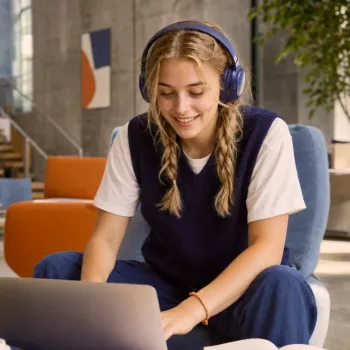
If the goal is to remember names, facts, or material for school or work, use active recall: close the notes and try to retrieve the information from memory. Pair it with spaced practice by reviewing the same material over several days instead of cramming. Flashcards, self-quizzes, and explaining a topic out loud are simple ways to make recall stronger.
New skills encourage the brain to form and reinforce connections. Good choices include learning a language, practicing an instrument, or taking up a craft that requires planning and feedback (like cooking new recipes or photography). Keep it progressive: slightly harder each week is better than repeating the exact same routine.
Physical activity supports attention and memory by boosting blood flow and supporting brain health. Brisk walking, cycling, swimming, or dance are all solid picks. For many people, a short walk before studying or after learning helps recall “stick” better later.
Sleep is where much of memory consolidation happens, so consistent sleep schedules matter. For stress, short breathing exercises, mindfulness practice, or gentle yoga can reduce mental noise that blocks recall. Even 5–10 minutes of focused breathing before a recall task can improve performance.
For more ideas and practical examples, visit the full guide on activities that support memory recall.
For Best Activities to Boost Memory Recall and Retention, the best answer depends on fit, material, care instructions, and how the product will be used day to day.
Use active recall (practice questions or closed-book summaries) and space your reviews over multiple short sessions. Prioritize sleep the night before, since fatigue can noticeably reduce retrieval speed and accuracy.











Leave a comment